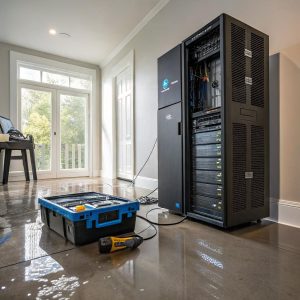

Most people think office comfort is just about not freezing under an air vent, but in practice it is much closer to running a small data center that happens to have people in it. The more screens, servers, and devices you add, the more your HVAC starts to behave like an unseen piece of tech infrastructure rather than a simple thermostat on the wall. That is where smart office climate design, and partners like HVAC services Castle Rock CO, quietly carry as much weight as your web hosting or network setup.
The short version is simple: a smart office climate uses sensors, zoning, and controls that talk to each other, often over your existing network, so you can keep temperature, humidity, and air quality in tight ranges without wasting energy. You connect smart thermostats and dampers to a central controller, link it to your building network, set policies for working hours, server rooms, and meeting areas, and let data and automation adjust the HVAC equipment in real time. For a tech focused office, that means thinking about HVAC the same way you think about a reliable hosting stack: redundancy, monitoring, access control, and a plan for growth.
Why tech people should care about “boring” HVAC
If you host anything, run a community, or build products online, you are already used to uptime, latency, and load. HVAC is not that different, which is why it tends to click for people in web and infrastructure roles once they see it in those terms.
You can think of it like this:
A smart office climate is just another system where you trade guesswork for sensors, manual habits for automation, and “set it and forget it” for ongoing metrics.
Thermal load from equipment, people, and sunlight changes all day. Without smart control, you either overshoot and waste money, or you get hot spots that hurt focus and hardware life.
Here is where it begins to overlap with the world of web hosting and digital operations.
HVAC and IT share the same three goals
You probably recognize these:
- Stability: predictable conditions so people and hardware behave as expected.
- Visibility: you can see what is going on without walking around and guessing.
- Control: you can change things quickly and safely without side effects.
HVAC in a modern office can plug into your network, log to the cloud, trigger alerts, and even tie into your building access control. Once that happens, IT and ops people are not just “users” of the system. They become part of how it is designed and managed.
The strange part is that many offices still treat HVAC like a sealed black box. A thermostat on the wall, sometimes with a plastic cover and a sticky note saying “Do not touch.” For a tech heavy workplace, that is a wasted chance.
From dumb thermostat to smart office climate
The jump from a simple single-zone thermostat to a smart office climate is not as big as it sounds, but it is a real shift in thinking.
Here is what changes.
Sensors everywhere, not just at one thermostat
A single thermostat in a hallway does not tell you what is happening near the window row, or in the small meeting room with four screens, or in the server closet.
Smart setups spread the sensing across the space:
- Temperature sensors in representative zones, not only in one central spot.
- Humidity sensors, so you do not dry the air to the point that people get headaches.
- CO₂ sensors to track how stale the air gets in rooms with many people.
- Sometimes VOC sensors for broader air quality, depending on the building.
If you have worked with monitoring for servers, this feeling is familiar. Once you see per zone data, the single thermostat readout feels as rough as a single CPU metric on a shared server.
When you can see temperature, humidity, and CO₂ per area, it becomes much easier to argue for layout changes, schedule tweaks, or hardware upgrades with real data instead of “it feels stuffy by the windows.”
Zoning that matches how the office actually works
Old HVAC designs often just split a floor in half or by cardinal direction. Modern usage patterns do not match that. You now have rooms with many screens, pockets of remote workers who only come in twice a week, maybe a recording room, and often a small IT or server room.
Smart zoning tries to match those patterns:
- Open office zones with mixed density.
- Conference / meeting zones that swing from empty to full quickly.
- Focus rooms or studios with stricter noise and comfort needs.
- Equipment rooms with higher thermal load and tighter temperature range.
You control airflow to each zone with motorized dampers and, in some cases, separate mini splits or dedicated units for server areas. The bigger the space, the more you gain by matching the HVAC layout to how people actually use the rooms.
Control that behaves like a simple web app
This is where it starts to feel close to what web people expect: a central dashboard, remote access, user roles, and logs.
A smart office climate platform usually offers:
- A central web or mobile dashboard where you see all zones, schedules, and alerts.
- Per group access, so regular staff can nudge setpoints within a small range, while admins adjust deeper settings.
- Schedules for working hours, weekends, and holidays.
- Event modes for big meetings, on-site workshops, or all-hands days.
You do not want random people changing setpoints by 5 degrees in a shared space. You also do not want only one person in the building who knows the admin password. Getting that balance right is much easier once HVAC is treated as another managed service inside your office stack.
Key components of smart office HVAC
It helps to see the main parts laid out side by side, the same way you might think of servers, switches, and firewalls.
| Component | What it does | Why it matters for a tech office |
|---|---|---|
| Smart thermostats / controllers | Control setpoints, gather data, expose settings to the network | Provide an API or integration route to building systems, allow remote changes |
| Zone dampers | Open or close to send more or less air to parts of the office | Stops overcooling low load areas while hot spots near equipment cool properly |
| Sensors (temp, humidity, CO₂) | Measure room conditions, feed data into the control logic | Give fine grain visibility similar to server monitoring dashboards |
| Variable-speed fans and compressors | Adjust output to match real load instead of running full throttle | Reduces noise and power draw during light usage, smooths temperature swings |
| Ventilation / ERV systems | Bring in fresh air, exhaust stale air, sometimes transfer heat | Helps with air quality during crowded events and long work days |
| Controls software | Runs the rules, schedules, and zoning logic | Acts like the “orchestrator” that IT can understand and help manage |
You do not need to turn your office into a science project. The trick is to pick the pieces that match your size and load. A small startup in a shared space might only get control over smart thermostats. A company with its own floor or building has more room to tune zoning, sensors, and ventilation.
How HVAC connects to your network stack
This is where the overlap with web hosting and infrastructure becomes more obvious. Modern HVAC controls are IP aware, and that is both helpful and a minor risk if nobody owns it from the IT side.
Common connection patterns
In a typical office, HVAC gear connects in one of a few ways:
- Ethernet straight into your switches, often on a dedicated VLAN.
- Wi-Fi, usually for thermostats in smaller setups.
- Gateway devices that speak field protocols on one side and IP on the other.
From there, most setups either sync with a cloud service or talk to a building automation controller in the same network.
For an IT or DevOps team, that raises some clear questions:
- Who manages credentials and access for cloud HVAC accounts.
- How to log and back up HVAC configuration, so you are not stuck after a controller failure.
- What monitoring will look like, so you see if a sensor or controller goes offline.
Treat HVAC equipment on the network like you would any other device: segment it, audit access, and keep a simple runbook for what to do if something goes down.
APIs and integrations
Many smart HVAC platforms expose hooks that tech teams can work with. These are some real world uses that I have seen in offices that care about both comfort and data:
- Pulling CO₂ levels from meeting rooms into a shared dashboard, so people can see when a room is getting stale.
- Using presence data from a door access system to adjust setback schedules, so the office preheats only when people are expected on site.
- Tying meeting room bookings to preconditioning room temperature before large calls or recording sessions.
This is not about over engineering; you can easily go too far and create brittle automations. It is more about giving people clear feedback and avoiding obvious waste or discomfort.
Designing a smart climate for different office types
Not all tech focused offices look the same. Some are mainly remote, some host small data rooms, some run support centers or content teams on rotating shifts.
Let us walk through a few patterns and how HVAC design shifts with them.
1. Small startup in a shared building
You might only control thermostats and a few vents. The building management sets the wider rules.
Practical moves:
- Use smart thermostats with simple schedules tied to your working hours.
- Add local fans or small units in hot corners instead of fighting building-wide settings.
- Put sensors in crowded rooms and share the data with building management when comfort is off, instead of arguing in vague terms.
You will not win every comfort battle, but a bit of data can help you get adjustments made.
2. Mid size office with a small server or network room
This is where HVAC and IT start to truly overlap.
The main tension is that server rooms like cooler, more stable conditions, while people in open areas often complain if it feels cold at their desks.
Common tactics:
- Give the server room a separate small cooling unit if possible, so you are not forced to chill half the floor.
- Place temperature sensors near racks, not just at the door.
- Define a clear temp range for equipment, then teach non IT staff what that means in practice.
- Use smart controls to prioritize server room cooling over comfort zones when there is a conflict during system strain.
I have seen offices where someone covered an air vent near their desk with cardboard, which indirectly choked flow to the server room that shared that duct branch. Nobody connected the dots until routers started rebooting.
This kind of trace is easier if the zoning, sensors, and control logs are visible, not hidden.
3. Remote heavy teams with flexible office use
Here the problem is the opposite. You might have space for 40 people, but only 10 show up on a given day.
Full HVAC schedules that run from early morning to late evening no longer make sense.
You can do a few things:
- Use occupancy data from badge readers or Wi-Fi to shape preheat and setback times.
- Group seats that get used most into a smaller active zone, then let other zones float with wider temperature ranges.
- For “anchor days” where many people visit at once, keep a special profile with more aggressive comfort settings.
Remote culture pushes people to value the office more when they do visit, so hitting a good comfort level matters. A cold or stuffy office is one of the faster ways to make people stay home next time.
4. Support or community operations centers
If you run a support team or a content moderation crew, climate settings affect performance quickly. Long shifts, night work, high mental load.
Things that seem small can help:
- Tighter control of temperature drifts to avoid afternoon slumps.
- Better fresh air management for night shifts when natural cues like daylight are missing.
- Noise control, which ties into fan speeds and vent placement.
Here it helps to treat the office almost like a mild production environment for people, where comfort is a real part of the system that keeps them working well.
Energy use, costs, and when the math works
Since many readers care about resource use and uptime, it is fair to ask whether smart HVAC is mainly comfort theater or if the numbers hold up.
The honest answer is that it depends on:
- How bad your current system is.
- The size of the office and local energy prices.
- How disciplined your team is with manual controls.
If your current office keeps the same temperature 24/7, including weekends and holidays, with no setbacks, there is usually low hanging fruit.
A rough way to think about it:
| Change | What you do | Common outcome |
|---|---|---|
| Basic scheduling | Set occupied and unoccupied profiles for weekdays and weekends | Lower energy use during nights and empty days, modest hardware cost |
| Zoning upgrade | Add dampers and separate controls for key areas | Better balance between comfort and cost, avoids cooling empty areas |
| Sensor network | Install sensors in problem spots, integrate with controls | Reduces extremes that cause people to bring space heaters or desk fans |
| Variable-speed equipment | Upgrade older units when they near end of life | Smoother operation, fewer big temperature swings, noticeable power drop |
The trap is to focus only on energy savings on paper while ignoring human factors. If people are cold, they often plug in small heaters that wreck your careful HVAC tuning. If they are hot, they block vents. Both behaviors throw the system into strange patterns that cost money and add complaints.
The realistic goal is usually “good enough comfort with less waste” instead of some perfect theoretical climate that no one will keep using as designed.
Security and reliability for HVAC on your network
Since HVAC gear now often has IP addresses and sometimes direct cloud access, it fits into the same threat and reliability models you already apply to other services.
Basic security habits for connected HVAC
These checks are not complicated, but they are often skipped:
- Change default usernames and passwords when devices are installed.
- Put HVAC equipment on its own network segment with limited outbound access.
- Use VPN or secure connections for remote management instead of open ports.
- Log access and major configuration changes if the platform allows it.
You might not care if someone changes the office by two degrees one afternoon. You will care a lot if a random script tries to poke at your cloud controlled devices, or if an outage locks you out from controls during a heat wave.
Redundancy and failure scenarios
HVAC does not need five nines, but some forethought lowers stress.
Think about:
- What happens if the main controller fails. Is there a fallback mode.
- Who can trigger manual overrides on site, and how.
- How you will work if the cloud service is unreachable for a day.
This is similar to having a runbook for your hosting platform. You do not want the entire office waiting for one external contractor to arrive before basic comfort is back.
Working with local HVAC experts without losing tech control
There is a mild culture clash here. Many HVAC contractors are very good at duct sizing, refrigerant charge, and code, but not always focused on network security, APIs, or how your team works.
That is fine, as long as both sides are clear on who owns what.
A practical way to split it:
- Local HVAC experts own the physical design, load calculations, equipment selection, and code compliance.
- Your internal team owns the network design, access control, monitoring, and how HVAC data connects to other tools.
During planning, ask pointed questions such as:
- What network ports does each device or controller use.
- How are firmware updates handled.
- What happens to the system if the internet link drops.
- Can configuration be exported to a file or version controlled document.
If the answers are vague, keep pushing. You would not accept “we will figure it out later” for a production database, and you should treat building systems with at least some of that same caution.
Comfort, focus, and hardware: what the research suggests
I will stay away from grand claims here, but there is a fair amount of research on how temperature and air quality affect cognitive work, which most tech roles rely on.
Patterns that show up often:
- People tend to perform mental tasks best in a fairly narrow temperature range, often around 21 to 23°C (70 to 73°F), though there is individual variation.
- High CO₂ levels lead to slower reaction times and more errors, even when people do not subjectively feel “short of breath.”
- Temperature swings, not just absolute temperature, can be tiring, especially in the afternoon.
On the hardware side, components handle a range of temperatures, but constant high heat does shorten life. This matters more if you have gear in closets rather than proper server rooms with good cooling.
You do not need to obsess over single degree shifts. The main leverage comes from:
- Keeping temperatures in known safe ranges for people and hardware.
- Avoiding big swings as the sun moves or spaces fill up and empty.
- Maintaining decent fresh air rates where people sit and talk all day.
Again, this is where smart zoning and controls help. You do not have to fix everything with one thermostat number that satisfies nobody.
Practical steps if you want smarter HVAC in your office
If you have read this far, there is a good chance you are either the person who always walks around adjusting thermostats, or someone in IT who keeps getting asked why the “server room is hot again.”
Here is a simple path forward, without turning it into a giant capital project right away.
1. Map what you have now
Walk the space and capture:
- Where the thermostats are, and which areas they control.
- Where the vents and returns are located.
- Where people actually sit and where equipment generates heat.
- Basic info about existing HVAC units, such as age and type.
This is the HVAC version of making an inventory of your servers and services.
2. Gather basic data for a few weeks
Before you change anything big, add a few simple sensors in the worst spots:
- Near windows that get strong sun.
- In crowded meeting rooms.
- In or near your network or server space.
Log temperature and CO₂ if possible. Even cheap sensors can reveal patterns like “it is always too warm by 2 pm near the south windows” or “CO₂ spikes to uncomfortable levels thirty minutes into every large meeting.”
3. Adjust schedules and setpoints first
With some real data, tune what you already have:
- Set basic occupied and unoccupied schedules around actual use.
- Test a small change in setpoints that might cut energy use without complaints.
- Explain the logic to staff, so they do not feel like you are randomly raising or lowering temperatures.
If comfort improves or energy use drops in your bills, that is a good sign that further smart upgrades are worth looking at.
4. Plan zoning and hardware changes with expert help
Once you know where the real hot and cold zones are, talk with local HVAC pros about better zoning, extra sensors, or a small dedicated unit for problem areas like server rooms.
Recognize that some building constraints will limit perfect solutions, especially in older constructions. The goal is better, not flawless.
5. Bring HVAC into your regular IT thinking
Include HVAC gear in:
- Network diagrams.
- Access control documents.
- Monitoring and alerting plans, where it makes sense.
You do not have to treat it like your primary production cluster, but you also should not treat it as if it lives in a separate universe.
Common questions people in tech ask about smart office HVAC
Q: Is smart HVAC just a gimmick with a smartphone app?
A: Sometimes it is marketed that way, and that part is annoying. The real value comes from zoning, sensors, better schedules, and variable-speed gear, not just controlling it from your phone. If a vendor cannot explain what changes behind the scenes beyond the app, be cautious.
Q: Will connecting HVAC to our network create security holes?
A: It can if done carelessly. If you segment it, change defaults, and use secure remote access, it is not very different from other building systems like cameras or access control. The bigger risk is when nobody in IT even knows it is on the network.
Q: Can we plug HVAC data into our existing dashboards?
A: Many systems now offer APIs or at least data export. You might not get everything you want, but pulling key metrics such as server room temperature or meeting room CO₂ into a status page is often possible. It just takes a bit of scripting and some coordination with the installer.
Q: Is it worth pushing for zoning in a small office?
A: Sometimes no. If you are in a small, roughly uniform space, better scheduling and a few smart thermostats may cover most of the gains. Zoning hardware, dampers, and extra controls pay off more when there are real differences across the floor or mixed uses like server rooms plus open desks.
Q: What is one small change we can make this year?
A: Start by getting temperature and CO₂ readings for the spaces people complain about most. Share that data openly. Often the first big win is not a gadget, but a simple schedule or setpoint change that everyone understands, backed by real numbers instead of personal comfort debates.