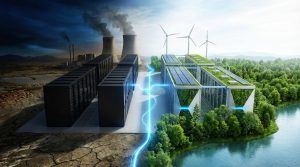


Most people think gardens and yards have nothing to do with servers, cloud tools, or online communities, but that has started to shift in a very real way in Honolulu. I learned the hard way that you can not design a modern Honolulu landscape without thinking a bit like a product designer or even a sysadmin. The short answer is this: tech people in Honolulu are quietly pushing outdoor spaces to act more like well planned networks, with zones, low maintenance “uptime,” and clear use cases, all while respecting water limits and local plants.
The TL;DR is simple. If you strip away the romantic language, current yard and garden trends around Honolulu are driven by three things that will sound very familiar to anyone who runs a site or a community:
1. Smart automation for boring, repetitive tasks like watering and lighting.
2. Thoughtful architecture, where every section has a purpose and a “user flow.”
3. Light-touch performance tuning, so your yard survives heat, insects, and busy schedules without constant manual fixes.
That is the gist. The rest of this piece takes those ideas apart and shows how tech communities, from remote dev teams to local meetups, are shaping real soil and plants, not just code.
From server rooms to backyards: why tech people care about yards now
If you work with code all day, your brain ends up craving something physical. Many people I know in local dev groups started with a simple potted plant on a lanai. Then a herb box. Then they began asking questions about soil pH with the same energy they once used to pick a PHP framework.
The interesting shift is that they are bringing their digital habits outside:
- They log plant growth in apps.
- They schedule irrigation like cron jobs.
- They plan shade and seating the way they plan UI flows.
I am not saying everyone is doing this. Some people still want a basic lawn and a few palms, nothing more. But enough tech workers now live and work from home on Oahu that clear patterns have started to appear.
Tech communities in Honolulu are quietly turning yards into physical extensions of their workspaces, with the same respect for structure, uptime, and low overhead.
You might ask why this matters if you run a hosting company or hang out in digital forums. Here is my honest view: outdoor spaces are starting to act as real hubs for small meetups, remote work sessions, and casual “standups” that keep local tech scenes alive. The shape of those spaces influences how people connect, share ideas, and even avoid burnout.
Shared values: uptime, low friction, and clear structure
Think about what you want from a web stack:
- It rarely goes down.
- It does not need constant manual fixes.
- New features can be added without tearing everything apart.
Most of the tech inspired yard trends in Honolulu mirror those goals. People do not want to fight weeds every weekend. They do not want half the yard dark during a movie night because an extension cord failed. They want quiet reliability.
I spoke with a friend who runs a small SaaS product from a rental in Kaimuki. His words stuck with me: “If my yard needs more maintenance than my code, I am doing it wrong.” That sounds a bit extreme, but it captures a very specific mindset.
Smart irrigation, real time data, and climate constraints
Water is the first place where tech habits show up in local outdoor design. Honolulu has heat, trade winds, sometimes long dry stretches, and rising costs. You can waste water quickly with old school sprinklers and guesswork.
The new pattern is different. People are treating water as a resource that should be measured, not guessed.
What tech people are doing with water and irrigation
You start to see yards where the irrigation setup looks more like a small monitoring system:
- Wi-Fi enabled controllers with zone level schedules.
- Soil moisture sensors in the ground feeding live data to apps.
- Weather aware watering that pauses during rain or cool days.
The most common shift in Honolulu right now is from “sprinklers on a timer” to “irrigation tuned by live data and plant needs.”
Here is a simple comparison that captures the difference:
| Old style watering | Tech influenced watering |
|---|---|
| One timer for whole yard | Zones by plant type and sun exposure |
| Set times, same year round | Schedules adjusted by season and rainfall |
| No feedback loop | Sensors show when soil is too dry or wet |
| High chance of overwatering | Water use tracked and reduced over time |
Some people go a bit far and treat their yard like a science project. Others keep it simple: one smart controller, a couple of zones, and some drip lines. Personally I think the simple setups usually survive longer, but the point is the same: test, adjust, and avoid waste.
Native and climate fit plants as “low maintenance code”
You cannot talk about water in Hawaii and ignore plant choice. Honolulu tech communities tend to favor plants that act a bit like stable, well tested libraries. You set them up correctly, and they do not need constant patching.
Here is how that shows up:
- Using native groundcovers instead of big, thirsty lawns.
- Picking drought tolerant shrubs for sunny spots.
- Grouping plants by water needs so each zone can be tuned.
A rough but honest rule many local gardeners now repeat is: “If it needs daily hand watering, it probably does not belong in full sun here.”
This is not only about the environment. It is also about time. Tech workers often sit in front of screens for long stretches. The last thing they need is a yard that feels like a second job.
Outdoor workspaces as physical coworking nodes
Here is where things feel closest to web hosting and digital communities. A lot of remote workers in Honolulu are turning parts of their yards into outdoor offices and casual meetup spots. These spaces sit at the overlap between design, comfort, and connectivity.
Wi-Fi reach, power, and glare: the unglamorous details
Nobody wants a garden chair with a weak signal. That is still common, though. People drag a laptop outside, only to find that video calls drop, and the sun washes out the screen.
So tech minded homeowners and renters start by mapping their yards like they would map Wi-Fi on a new office floor:
- They test signal strength at different spots with simple apps.
- They place access points near patios or under covered areas.
- They run outdoor rated cables and outlets instead of extension cords.
This leads to outdoor zones that feel more like small, reliable coworking pods. Not fancy, just thought through.
The best outdoor work corners in Honolulu are not the most beautiful ones. They are the ones with shade, stable Wi-Fi, and an outlet that does not trip the breaker.
Glare is a quiet problem too. So people place seating where screens face away from western sun, or under partial shade. Some even test spots at different times of the day before building anything permanent.
Seating, sound, and micro meetups
Once connectivity is stable, the next step is human comfort. Here the influence of tech communities is more social than technical.
Local groups now hold:
- Small front yard meetups of 6 to 8 people, instead of big bar events.
- Weekend “code and coffee” sessions on shaded patios.
- Short evening show and tell demos with a projector on an outdoor wall.
Seating often reflects these use cases. Instead of random chairs scattered around, you see:
- One main table for laptops and power strips.
- A smaller cluster of chairs off to the side for quieter chats.
- Benches or low walls that double as casual seating for bigger groups.
Sound carries strangely in Honolulu neighborhoods. So people use plants and small walls as “buffers” to avoid echo and keep conversations from feeling awkwardly loud. It is nothing fancy, but it feels very intentional once you notice it.
Designing yards like user interfaces
If you squint, a yard is a user interface. You enter from somewhere, move along paths, and engage with certain spots more than others. That idea has started to influence how locals plan their outdoor spaces.
Clear entry points and navigation
Most older yards in Honolulu grew without a plan. Someone added a shed. Someone else added a random fruit tree. The result is often confusing.
Tech inspired designs start by asking very plain questions:
- Where do you want people to enter?
- What do you want them to see first?
- Where should they end up after a few steps?
Then paths, lighting, and plant heights are used to guide movement. A simple example:
| Typical “unplanned” yard | Tech minded yard layout |
|---|---|
| No clear path from driveway to door | Defined walkway with low lights and subtle edging |
| Random plants block views | Tall plants at sides, low plants framing main view |
| Seating hidden in a back corner | Primary seating placed in a natural “end point” |
This kind of thinking feels basic once you see it, but many outdoor spaces still lack it.
Component thinking: reusable patterns for outdoor spaces
Developers use components and modules. Once a pattern works, they reuse it. The same behavior is now visible in how some people build and rebuild their yards.
For example, a small side yard that works well as a quiet call space might include:
- A narrow bench.
- Two tall plants for privacy.
- A simple light.
- A nearby power source.
People copy this “component” to other parts of the property. One at the front, one at the back. The look changes slightly, but the layout idea repeats. It saves time, money, and thought.
I sometimes wonder if this removes creativity, but in reality it often just removes frustration. You do not have to rethink every square meter from scratch.
Automation: when is “smart” actually smart in Honolulu yards?
Smart home tech is easy to overdo. Not every sprinkler or light needs an app login. Some things should just work with a simple switch. Tech people know this, at least in theory, but still fall into the “connect everything” trap.
Where automation genuinely helps
Here are cases where automation feels practical, not silly:
- Irrigation, especially for renters who travel or work odd hours.
- Outdoor lighting with schedules and motion sensors for safety.
- Simple sensor alerts for water leaks or pump failures.
If a device cannot save you time, water, or actual worry, it is probably not worth connecting to Wi-Fi in the first place.
A tech worker I met in Ala Moana tracked his time spent “fixing smart stuff” one month. He found that half his weekend tinkering was spent on devices that did not actually solve a real problem. That changed how he approached his yard: fewer devices, better placement.
Common pitfalls with smart yard setups
Even people who know their way around routers and DNS can stumble on basics:
- Putting hubs too far from outdoor devices, leading to flaky connections.
- Relying on cloud only apps that fail when internet drops.
- Ignoring simple manual overrides for guests or family members.
You can think of this like choosing self hosted vs managed services. Some critical functions should still work offline. A light switch should always turn lights on, even if the app crashes.
I might be biased, but I think the healthiest setups in Honolulu keep offline control for daily use and layer in automation only where it genuinely helps.
Community gardens, maker spaces, and shared greens
Not everyone has a private yard. A lot of tech people rent condos or live in dense areas with limited outdoor space. This has led to another interesting pattern: shared green projects that feel a bit like open source.
Community gardens influenced by tech culture
Look at some local shared gardens near hubs where tech workers live. You start to see:
- Git style documentation for beds and crops, often on shared docs.
- Kanban boards for tasks such as planting, watering, and repairs.
- Sensor experiments run by hobbyists to test soil and light.
These gardens are not perfect. People lose interest. Plants still die. But they create physical spaces where digital communities can meet face to face without needing a formal office.
You also see a more open attitude to small experiments. Someone might test a new trellis design or compost method in one corner, share notes, and let others copy or improve it. It feels very similar to code snippets shared in group chats.
Makers, hardware, and outdoor prototypes
Honolulu has a quiet but serious maker scene. A fair number of those people now play with hardware that ends up outside:
- Solar powered nodes that log weather data.
- DIY automatic chicken coop doors in backyards.
- Low voltage garden lighting controlled by small boards.
I am not convinced every yard needs these things. Some projects are more for fun than for long term use. Still, this playful energy influences general expectations. Once someone in a local chat posts a working design, other people want to try their version.
You can argue that this leads to more gadgets that fail after a year. That is fair. On the other hand, it also trains a group of people to think about physical reliability, not just abstract uptime.
Brand, identity, and how yards represent tech communities
If you host a site or run a forum, you think about brand. Not in a shallow way, but in the sense of “what do people feel when they arrive?” The same question now applies to physical meeting spots used by local tech groups.
Subtle visual language in outdoor spaces
Long term, people remember details:
- The color of chairs at recurring meetups.
- The plant that always sits near the demo table.
- The pattern of lights strung across a regular venue.
These details create a sense of place. Outdoor areas used by tech groups in Honolulu often develop an identity without anyone planning it. Yet once that identity emerges, hosts start to lean into it.
For example:
| Accidental pattern | How hosts reinforce it |
|---|---|
| People cluster under one plumeria tree | Host adds more seating, better lighting under that tree |
| Laptops always on the same side table | Extra outlets and a shade cloth added for comfort |
| Guests leave bikes near one gate | Simple bike rack installed by that gate |
This is not grand “placemaking.” It is quiet, incremental tuning based on actual use, similar to how you might rearrange a dashboard after watching user behavior.
Accessibility and inclusive design choices
One thing tech circles talk about a lot is inclusion. That carries over, though not always perfectly, into yard design.
Accessibility in Honolulu yards might mean:
- Clear, flat paths from street to main gathering area.
- At least some seating with back support, not all low stools.
- Lights bright enough to see steps without harsh glare.
I have seen both good and bad examples. Some tech meetups take this seriously and adjust their outdoor spaces after feedback. Others forget, until a guest has a hard time moving around. It mirrors the broader web: plenty of good intent, uneven practice.
Still, the trend is positive. More hosts now ask questions like “Can someone join with limited mobility?” before finalizing a yard layout.
What yard trends can teach people who build digital communities
So far this might sound like a one way influence: tech habits shaping yards. But the traffic goes both ways. The more you pay attention to physical spaces, the more you see patterns that help online work.
Slow feedback, patience, and long cycles
Plants do not deploy instantly. They take months or years to mature. That delay teaches patience, which many online projects lack.
Working with soil and plants reminds you that some results cannot be rushed, no matter how clever the system design looks on paper.
Garden work shows:
- Changes can look like failures at first, then succeed later.
- Small, consistent care beats huge bursts of energy followed by neglect.
- Diversity in planting often protects against sudden shocks.
These lessons map almost directly to community management and hosting:
- Onboarding flows need time to show impact.
- Regular modest updates beat rare giant redesigns.
- Diverse member bases protect communities from collapse.
If anything, Honolulu yards are a live classroom in long term thinking. Not everyone attends that class, of course. Some people still want a “quick fix.” But for those who pay attention, the parallels are clear.
Respecting limits instead of fighting them
Climate, water, and space set real boundaries on Oahu. You cannot simply brute force your way around them with more irrigation, taller walls, or more plants. When you try, maintenance grows, and stress rises.
Good outdoor design accepts constraints and works with them:
- Shade where sun is harsh all afternoon.
- Plants that do not need heavy chemical support.
- Layouts that match how people actually move.
For digital work, the same thinking helps:
- Accepting platform limits instead of painful hacks.
- Choosing features that fit your real team size and focus.
- Letting some ideas go if they strain resources too much.
I know this sounds a bit philosophical, but when you talk to local designers who touch both code and soil, this theme comes up a lot.
Practical steps if you are a tech person shaping a yard in Honolulu
If you live or work here and want your outdoor space to support your digital life, you do not need a full redesign. You can start small and still gain a lot.
Step 1: Map your “use cases” before you buy anything
Ask very plain questions:
- Do you want a quiet 1 person work spot, or a group hangout?
- How often will you host meetups or pair programming sessions?
- Do you care more about low upkeep, or lush visuals for guests?
Write down your top 3 priorities. Not 10. Just 3. That list should drive every choice: plants, seating, lighting, and smart gadgets.
Step 2: Fix Wi-Fi and power, then worry about decor
If you plan to work or host outside, treat connectivity and power as first class items:
- Test signal strength where you want to sit.
- Add an access point or move routers as needed.
- Install at least one weather safe outlet near seating.
Without these, fancy furniture and smart lights will not save the experience.
Step 3: Choose one small zone to refine, not the whole property
Pick a specific area:
- One shaded corner.
- A side yard path.
- A lanai that can hold a table.
Plan it like a small product feature. What is the “happy path” for a person using it? What could frustrate them? Fix those things, then live with the space for a few weeks before making any more changes.
Step 4: Automate the most boring repetitive task first
Look at what wastes your time:
- Daily watering of pots.
- Turning lights on and off at odd hours.
- Checking if you closed backyard gates.
Automate just one of these. Use a reliable product, keep a manual override, and track how much time and stress you actually save. Let that result decide if you will automate more.
Step 5: Let your community shape the yard over time
If you host local meetups or coworking sessions, ask for feedback:
- Is there enough shade for laptops?
- Are people comfortable sitting for 2 hours?
- Do they trip on cables or steps?
Make one small improvement after each gathering. Over a year, the space will feel radically different, grounded in lived use, not just your original idea.
Q & A: common questions about tech inspired yard trends in Honolulu
Is all this smart yard stuff overkill for a small property?
Sometimes, yes. If your outdoor area is tiny and you do not work outside much, a simple manual setup can be better. The trick is to match complexity to real use. One smart irrigation timer can still be worth it even in a small space, if you travel a lot or forget to water.
Do I need to be “into tech” to benefit from these trends?
No. The practices that come from tech communities are often just structured thinking: zoning, clear paths, reliable lighting, and water awareness. You can apply those ideas without caring about apps or sensors. The tech tools are optional details.
What if I rent and cannot make big changes?
Then treat your outdoor setup like a portable rig. Use movable planters, freestanding shade, and clip on lights. Choose a Wi-Fi extender that does not need drilling. Many remote workers in Honolulu do exactly this, and still get a functional outdoor workspace.
How do these yard trends connect back to web hosting and online communities, in a practical sense?
They show how physical and digital spaces can support each other. A well planned yard gives you a better place to work, meet teammates, and host users or clients. That can improve the health of your projects and communities more than one more tool in your stack.
Is there a single upgrade that brings the biggest change?
For most tech people here, it is a tie between smart, zone based watering and a shaded, well connected seating area. One helps the yard stay alive with less work. The other helps you stay connected while enjoying it. If you start there, much of the rest will follow naturally.