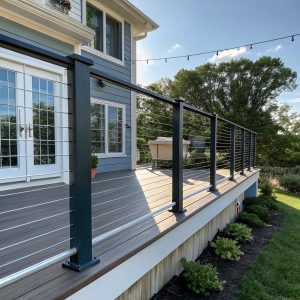


Every spring, some local home group gets the same post. Someone wants a new patio or a stone path through the yard, and they ask who to call. Replies arrive fast, and a few of them are genuinely useful. Others are a company name and a phone number with no story attached. The OP (original poster, the person who started the thread) is left wondering what to ask when looking at hardscape contractors Reno NV, and which of the replies to believe.
I’ve built and tuned enough of these threads to know why the pattern repeats. Hardscape, meaning the patios, walkways and walls that make up the non-plant part of a yard, is a project most people do once, so they have no go-to contractor and plenty of nerves. A recommendations thread is the cheapest way to borrow someone else’s experience, and it’s also the easiest kind of thread to turn into an ad board. The good news is that most of the fix lives in settings and templates, not in endless policing.
Should our group allow business recommendations at all?
Yes, but in one place. If you ban them, they don’t vanish. They scatter into random threads where nobody’s watching and no rule applies. A single dedicated category with its own pinned post (a thread stuck to the top of the list) gives you somewhere to point people and something to enforce.
On most forum software, a category can have its own posting permissions, and that’s where I’d start. Make it readable by everyone, but open for new threads only to members past a basic threshold, such as a short history of normal posts. The setting usually lives under category permissions or user groups. For more control, hold every first post from a new account in the mod queue, the list of posts waiting for a moderator’s approval. A maintained plugin is usually a better bet than custom code here, because someone else updates it when the software does.
Where should a recommendations thread live?
It depends on what you want the thread to do a year from now. Here’s how the three common homes compare.
| Platform type | Ownership | Searchability | Moderation tools | Setup effort |
|---|---|---|---|---|
| Forum software | You own the data and the rules | Strong; old threads stay findable | Detailed: queues, roles, edit history | Moderate; hosting and updates are on you |
| Chat server | The platform owns the space | Weak; good answers scroll away | Basic to moderate: timeouts, slow mode, bans | Low |
| Social group | The platform owns the space | Patchy; depends on the platform’s search | Basic: post approval, keyword filters, admin roles | Low |
Chat feels lively, but a good answer in a busy channel is buried by lunchtime, so the same question comes back next week. Social groups are easy to start and hard to search. Forum software asks more of you as the admin, but it’s the one place where a thread about patio work from last year still turns up when someone searches. Pick the home where the answer will still be findable.
How do I spot a planted or paid recommendation?
I look for patterns, not single posts. A brand-new account praising a business minutes after the question, several replies sharing the same phrasing, a reply that names a company and says nothing about the work, an account with no history anywhere else on the site: any one is a flag, and two or three together deserve a closer look. Real recommendations tend to be specific and a little untidy. They say what was built, how the crew communicated and what didn’t go perfectly.
Business owners are allowed to take part, and they often know the answers. The rule is disclosure: anyone with a stake in a business says so when they mention it, and that includes relatives and employees. Put the rule in the pinned post, then back it up with a report reason labeled possible conflict of interest, so members can flag a reply without starting a fight.
From the thread
- Asked a lot: Why was my reply held for review before anyone saw it? What usually helps: A short notice on the posting screen explaining the queue, who reads it and roughly how long it takes, so new members don’t assume they were silenced.
- Asked a lot: Is it okay to say a contractor did bad work? What usually helps: A rule to describe what was agreed and what was delivered, and to leave out insults and guesses about motives.
- Asked a lot: How do I know the person praising a company isn’t connected to it? What usually helps: A disclosure rule in the pinned post, plus moderators politely asking when a reply sounds too glowing.
- Asked a lot: Can I just ask for recommendations in the general chat? What usually helps: A link to the recommendations category right on the posting screen, so asking in the right place is the easy path.
What should a good recommendation post include?
Free-form replies produce vague praise. A short template produces something you can compare. Many forum platforms support thread prefixes or custom fields, and if yours doesn’t, a pinned example post that people copy works almost as well. I’d ask for:
- What was built (a patio, a path, a low wall) and roughly when.
- What went well, in plain words.
- What didn’t, because every project has something.
- Whether the member would hire the same crew again, and why.
- Any connection to the business, even a distant one.
Photos of a patio the week it’s finished tell you less than photos taken after a full winter and summer. In a place like Reno, where the seasons are distinct, invite members to edit their post with a later update. Walls that hold back soil are a different matter from a patio, so if a thread turns to engineering questions, the answer is a licensed professional and the local building department, not the group.
Will the thread stay fast once it gets busy?
Recommendation threads get popular, and popular means long threads, lots of photos and constant refreshing. Three settings make the biggest difference. First, resize images on upload, usually under attachments or media, so a phone photo doesn’t load at full size for every visitor. Second, turn on lazy loading, so images below the fold load as people scroll; many platforms expose it as loading="lazy" or a similar toggle. Third, use page caching for readers who aren’t logged in, since most visitors to a recommendations category just read.
Search matters as much as speed. Ask people to put the project type and the area in the title, and add tags for the kind of work. When a thread gets too long to scan, start a new one for the next year and link the two. Search is the real feature of a forum, and a thread nobody can find isn’t helping anyone.
Pinned for later
- Give business recommendations one home with a pinned rules post instead of banning them.
- Hold first posts from new accounts, and require anyone with a stake in a business to say so.
- Use a short template so replies describe the work, the problems and the outcome.
- Resize images, cache pages and keep titles searchable so the thread stays fast and findable.
Set it up once, peek at the mod queue now and then, and the next thread asking who built a neighbor’s patio will mostly run itself.