
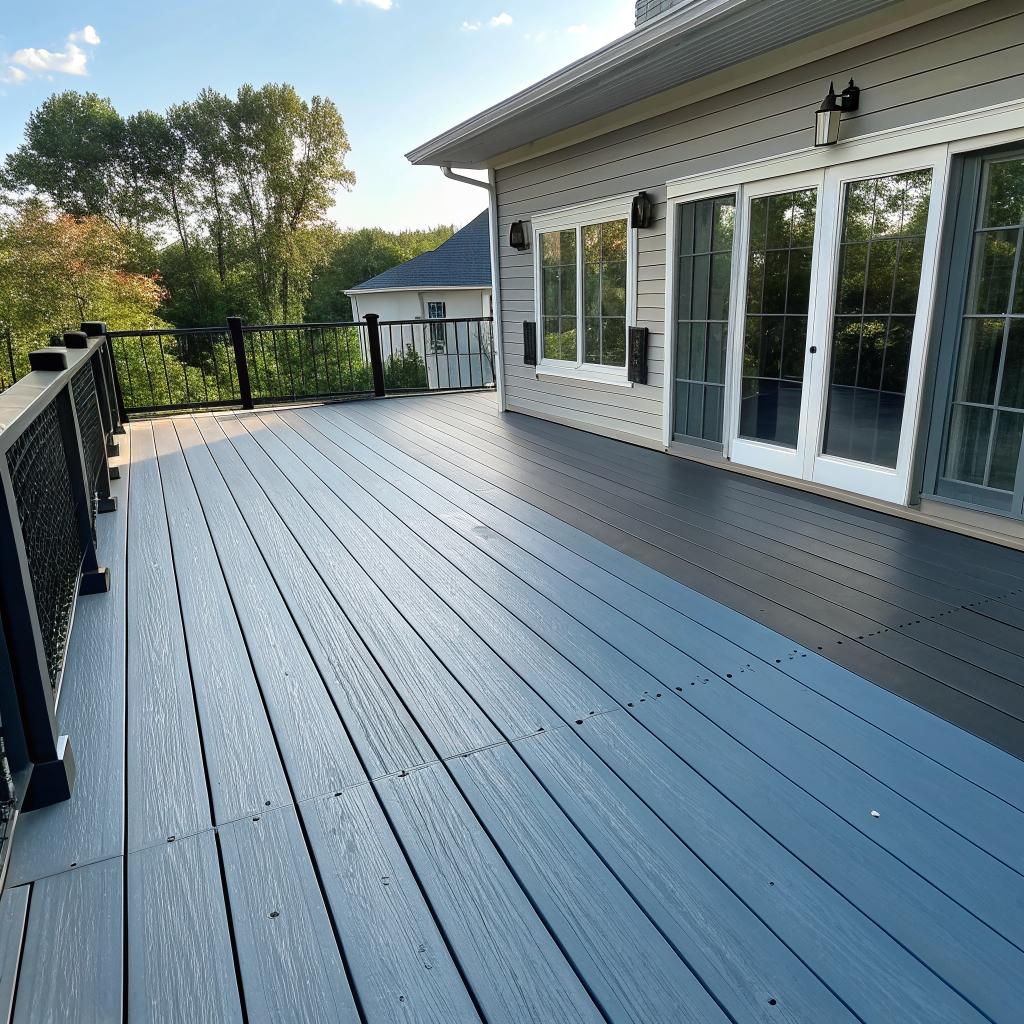

Most people think deck care is just about staining the boards once in a while, but the real work is in catching tiny failures early and planning like you would for a server that must not go down. If you want a deck in Madison that holds up to freeze-thaw cycles, heavy snow, and summer parties without random surprises, you need regular inspections, smart planning, and a pro who understands structure as well as looks. That is what good deck repair and maintenance services in Madison actually give you: a schedule, repeatable checks, and fixes that do not just hide the problem for one more season.
Here is the short version. If you care about uptime for your online projects, you should treat your deck the same way. Run a basic visual check every month or two. Schedule a deeper inspection at least once a year, ideally after winter. Track what has been repaired, what needs to be monitored, and what is getting close to end of life. Use professionals when you see structural issues, rot, or loose connections to the house. Keep a basic “maintenance log” in your notes app. That approach will extend the life of your deck, lower long term cost, and also avoid that sick feeling you get when your deck fails the morning of a planned gathering.
Why tech people should care about boring deck maintenance
If you spend your day thinking about uptime, backups, and capacity planning, your brain is already wired for smart home maintenance. A deck is just another system that can degrade in quiet ways.
You have hardware (framing, ledger, posts), a surface layer (boards, railings), and a workload (foot traffic, grills, furniture, maybe a hot tub). Weather is your “hostile environment”. Ignore it, and you end up in incident response mode, not planned maintenance.
A few patterns feel very familiar:
- Silent failure: rot behind a ledger board or at the base of a post where you cannot see it easily.
- Technical debt: temporary patches that live on for years, like adding a few random screws where a joist hanger should be replaced.
- Outdated stack: a 20 year old deck built to older codes, now carrying more load than it was ever meant to.
If that language feels natural, then you already think in the right way for smart deck care. The gap is usually not logic, it is attention. Decks are outside, and you do not look down at them like you look at a dashboard.
Treat your deck like a production server that holds people, not data: monitor, log, patch, and plan for upgrades before failure.
How Madison weather actually attacks your deck
Madison is rough on wood structures. It is not drama to say that. It is just the way temperature and moisture move here.
Freeze, thaw, repeat
Water is sneaky. It gets into tiny cracks, then freezes, expands, and makes those cracks larger. Boards cup, warp, and split. Screws loosen in ways you only notice when the board starts to creak.
Snow sitting on your deck for weeks means:
- Prolonged moisture against the surface.
- Slow melting, so water has time to reach every nail hole and hairline crack.
- More weight on the framing than you think, especially with wet, heavy snow.
If your deck surface drains poorly, water pools, refreezes, and that cycle keeps running.
Moisture + shade = mold, rot, and slippery boards
If you have trees nearby, or your deck sits on the north side of the house, sections can stay damp almost all day during spring and fall. That tends to create:
- Mold and algae that make the surface slick.
- Soft spots in boards near the edges and under railings.
- Early rot at the base of posts that sit close to soil or in older concrete footings.
You do not always see rot until the surface layer gives a bit under your foot. By the time that happens, the damage can be deeper than it looks.
Summer heat and UV
Then the pattern flips. Strong sun dries the wood, pulls out moisture, and breaks down the surface fibers. You see:
- Fading and graying in boards.
- Small cracks that turn into splinters.
- Loose fasteners as the wood around them shrinks.
None of this sounds dramatic, but it stacks up over seasons. Think of it as constant background load on your system.
The real enemy is not one storm. It is the quiet, repeated stress that slowly eats away at your deck between the times you notice it.
The “sysadmin mindset” for deck repair and maintenance
If you apply a simple operations mindset to your deck, you get a clear plan instead of random fixes.
1. Monitoring: regular visual checks
You do not need a fancy tool here. Use your eyes and a bit of curiosity. Every month or two, run a quick check:
- Walk the deck and listen for squeaks and creaks.
- Look along the surface from a low angle to see warped or cupped boards.
- Check railings by pushing and pulling on them gently but firmly.
- Look at the base of posts and the points where the deck meets the house.
- Scan for rusted hardware, popped nails, or missing screws.
Take pictures if you spot anything odd. You will forget how it looked later.
2. Logging: keep a simple maintenance record
This sounds boring, but it helps. Open a note in your phone with a few sections:
- Date of each check or cleaning.
- What you saw, even if it seems minor.
- Any small fixes you made.
- Quotes or estimates from a deck company, if you call one.
Over a few years, this gives you context. You can see which boards have been a problem before, or when you last sealed the deck. It also helps when you talk to a contractor, since you can give real data instead of guessing.
3. Patching vs planned work
You already know how this goes in tech. A quick fix can get you past the current issue, but too many of those stack up.
Good rule of thumb:
- Loose fastener in a sound board: quick fix is fine.
- Creaky board with surface cracks: monitor and plan replacement.
- Soft, spongy spot or visible rot: stop using that section and schedule real repair.
- Wobbly railing: treat as urgent, not “later when I have time”.
Any deck problem that affects structure or fall protection is not a cosmetic issue. It goes straight into the “fix soon” bucket.
Common deck failures in Madison and how to approach them
Here is where things get more specific. Different problems call for different levels of response. Some you can handle yourself if you are comfortable with tools. Others belong with a pro.
Loose or spongy boards
Symptom: You step on a board and it moves more than its neighbors or feels soft.
Possible causes:
- Fasteners pulled out from the joist.
- Warped or cracked board.
- Rot where the board meets the joist.
Response pattern:
- Start by checking fasteners. If the wood is solid, new screws usually solve it.
- If the wood around the fastener crumbles, that board should be replaced, not patched.
- If boards in one area all feel soft, that can point to a problem in the framing below.
Ledger board problems
The ledger is the board that connects the deck to the house. If it fails, the deck can pull away. That tends to make headlines when it goes wrong.
Warning signs:
- Visible separation between deck and house.
- Cracked caulk or gaps where water can run behind the ledger.
- Rust stains near bolts or lag screws.
This is not a casual DIY repair. Ledger problems go into the “call a deck contractor” category quickly. It is similar to a main database server acting odd. You do not cross your fingers and hope.
Railing wobble or loose posts
Railing issues are common, especially on older decks where code requirements were weaker than they are now.
What you might see:
- Posts that move when you push on them.
- Loose balusters or cable sections with too much slack.
- Rust where metal meets wood.
Small fixes like tightening screws are fine for minor movement. If the base of the post is cracked, rotted, or poorly installed, that needs a proper rebuild. Railings carry real safety load, especially if you have kids, older family members, or guests who lean on them.
Surface wear and splintering
Boards that are sun-bleached, rough, and splintery can still be structurally fine, but they are not fun to walk on. Partial fixes:
- Light sanding in problem spots.
- Cleaning to remove dirt and mildew.
- New finish or sealer rated for UV exposure.
If the deck is old and many boards are in that state, at some point re-skinning with new boards is cleaner than endless patching.
DIY vs professional help: a simple comparison
To make choices easier, here is a basic table. It is not perfect, but it gives you a starting point.
| Issue | DIY friendly? | When to call a pro |
|---|---|---|
| Loose surface board, solid framing | Yes, if you can handle basic tools | If multiple boards in same area keep loosening |
| Surface cleaning and staining | Yes, with some research | Very large decks or complex rail systems |
| Rot in one board only | Maybe, if rot has not reached framing | If rot spreads into joists or beams |
| Wobbly railing or loose posts | Minor tightening only | Any structural movement in posts or connections |
| Ledger board issues | No | Always, due to safety and code requirements |
| Major deck sagging or unevenness | No | Always, framing and foundations need review |
One thing people often underestimate is building code. Madison has specific rules about railing height, stair geometry, load capacity, and how decks attach to houses. A local deck contractor works with those rules all the time. That experience matters more than a random video tutorial.
Maintenance schedule that actually fits a busy tech life
If you work in hosting or software, your time is fragmented. You probably do not want a second job taking care of your deck. So the schedule has to be simple and realistic.
Here is a pattern that fits most Madison decks.
Quick monthly or bi-monthly check
Time cost: 10 to 15 minutes.
Tasks:
- Walk the surface and feel for movement.
- Push on railings in a few spots.
- Look for new cracks, popped nails, or raised boards.
- Glance under the deck if it is accessible, looking for obvious sagging or dark, damp patches.
If nothing stands out, you are done. If you see something, capture it in your notes.
Spring deep check after snow season
Time cost: 45 to 90 minutes.
This is your “post incident review” after winter.
- Clear off any leftover debris, branches, or leaves.
- Check every board in high traffic areas.
- Inspect the ledger area with a flashlight.
- Look closely at all posts and footing areas you can reach.
- Check stair treads and handrails.
If you plan staining or sealing, spring is usually the right time once the deck is dry and temperatures stay above freezing at night.
Fall prep before snow comes
Time cost: 30 to 60 minutes.
Goal here is to reduce how much moisture and organic matter sits on the deck all winter.
- Clean off leaves and dirt.
- Trim branches that drop lots of debris on the deck.
- Check for peeling finish, especially in high sun or high moisture areas.
- Decide if any small repairs should happen before freeze sets in.
This pattern is not perfect for every home, but it is better than letting three or four years pass with zero attention, then being shocked by a big repair bill.
Smart upgrades that reduce future maintenance
If your deck is older or you are already doing major repair work, it can make sense to introduce parts that lower future effort. In tech terms, this is like refactoring and improving build tooling while you are already in the code.
Hardware and connector upgrades
Older decks often used nails where screws or structural connectors would be better. Over time, upgrading hardware in key spots can pay off.
Upgrades that usually help:
- Replacing nails in deck boards with appropriate exterior screws.
- Upgrading joist hangers and using proper structural screws.
- Using corrosion resistant hardware, especially near concrete or in damp zones.
This is not a cosmetic change. Good hardware keeps everything tight and reduces movement that leads to premature wear.
Material choices: wood vs composite vs hybrid
There is no single “right” choice. Each path trades money, look, and maintenance.
| Material | Upfront cost | Maintenance level | Typical issues |
|---|---|---|---|
| Pressure-treated wood | Lowest | High: regular cleaning and sealing | Splinters, warping, rot in damp areas |
| Cedar or similar | Medium | Medium: needs finish, but weathers nicely | Soft surface, can dent or scratch |
| Composite boards | Higher | Lower: mostly cleaning, little sealing | Heat on hot days, occasional staining, expansion gaps |
| Hybrid (wood frame, composite surface) | Medium to high | Moderate: watch frame, clean surface | Hidden framing issues if you ignore underside |
If you are used to hardware upgrade cycles, this is a bit similar. Wood is like lower cost hardware with higher ongoing effort. Composite is more like paying extra for hardware that you do not have to babysit as much.
Drainage and airflow improvements
Water that cannot leave is a problem. Air that cannot move under the deck keeps things damp.
Ways to improve:
- Check that the deck surface has slight slope away from the house.
- Keep at least some gap between boards so water can pass through.
- Make sure skirting or lattice around the lower part of the deck has vents or openings for airflow.
These details are not as interesting as picking board colors, but they make a large difference to long term life.
Choosing smart deck repair and maintenance services in Madison
The company you pick matters a lot more than the single brand of screws they use. If you are used to picking a hosting provider or cloud platform, the feeling is similar, but with extra weight on local experience.
Signals of a solid deck contractor
When you talk to a deck company, you can listen for a few signs that they take the work seriously.
- They ask how you use the deck: number of people, furniture, grill, hot tub, etc.
- They talk openly about local code, permits, and inspection steps.
- They are clear about which parts of your deck can be repaired and which should be rebuilt.
- They give specific product names and hardware types, not just “good stuff”.
- They do not pressure you into the most expensive option.
If someone brushes off questions about load, code, or future maintenance, that is usually a bad sign.
Questions you can ask that lead to better outcomes
You do not need to be an expert, but a few sharp questions help you get a better plan.
- “If we fix only what is broken, what do you expect will need work in the next 3 to 5 years?”
- “How do you handle the connection to the house, and what hardware do you use there?”
- “What is your process for dealing with existing rot if you find more during the job?”
- “How will this deck handle snow load and ice long term?”
- “If budget forces some tradeoffs, where would you save money and where would you not cut corners?”
The point is not to catch someone in a trick. It is to see how they think about tradeoffs.
Integrating deck care into your digital life
This is the part where some people roll their eyes, but it actually helps. You already use tools that lend themselves well to home maintenance.
Use reminders like you would for certificate renewals
If you trust yourself to “remember” deck inspections, you will forget. Set a few recurring reminders:
- Spring deep check: one weekend after the typical last frost date.
- Fall prep: one weekend in late October or early November.
- Quarterly quick check: any Sunday afternoon you pick.
Tie those reminders to a shared calendar if you have a household. That way the work does not fall on one person.
Store photos and notes in a simple structure
You do not need a complex system. A folder named “Deck” in your cloud storage works.
Possible layout:
- Subfolder per year.
- Photos from each check, labeled by date.
- A text file or note with dates of service and who did the work.
Later, if you sell your home or talk with a contractor, you have an easy history. It is similar to logs when you debug an issue.
Why this matters for your stress level
There is a tendency in tech circles to care a lot about virtual stability while ignoring physical things around us until they cause a crisis. I have done this myself. I once had a deck board fail under a guest during a summer dinner. No one got hurt, but it was exactly the kind of avoidable incident that nags at you.
If you want your house to feel calm, it helps when you trust the deck that carries you, your family, and your friends.
Frequently asked questions about smart deck repair in Madison
How often should I have a professional inspect my deck?
For most decks in Madison, having a professional look at it every 3 to 5 years is reasonable, unless you see problems earlier. If your deck is older than 15 years, every 2 to 3 years is better. Any time you notice structural movement, visible rot, or changes after a major storm, do not wait for the next scheduled check.
Is composite always better than wood for Madison weather?
Not always. Composite can reduce surface maintenance, but it costs more and gets hot in direct sun. The framing under composite boards is still wood in most cases, so you still have to watch for rot and hardware failure. For shaded decks or smaller projects, wood can still be a smart choice if you accept the need for regular cleaning and sealing.
What is the most common unsafe condition you see on older decks?
The two I hear about the most are loose railings and ledger board problems. Both can look fine from a distance, but move more than they should when you lean on them or during heavy use. They also tend to be overlooked during casual DIY checks, since people focus on the boards they walk on.
How much should I budget yearly for deck maintenance?
For an average size wood deck, it is reasonable to plan for a few hundred dollars per year across cleaning supplies, finish, and occasional board replacement. That does not mean you will spend that amount every year, but when you smooth it over time, that is often what it looks like. Composite surfaces tend to cost less per year in maintenance, but you pay more at the build or rebuild stage.
Is it worth repairing an old deck, or should I replace it?
This is the question everyone asks, and there is no clean formula. Some rules of thumb help, though:
- If the framing and posts are sound and code compliant, new surface boards and railings can give you many more years.
- If rot is spread through key structural members, patching will often chase problems instead of solving them.
- If the deck layout no longer fits how you live, replacement is often a better use of money than heavy repair.
A good contractor should be willing to argue both sides with you, not push only the most expensive option.
What is one small thing I can do this week that actually matters?
Go outside, pick one section of your deck, and look at how it meets the house and how the railing feels when you pull on it. If anything feels off or looks questionable, take a few photos and make a short note. That tiny step moves your deck from “background” to “monitored system”, and that shift in attention can prevent larger problems over the next few years.